


About Course
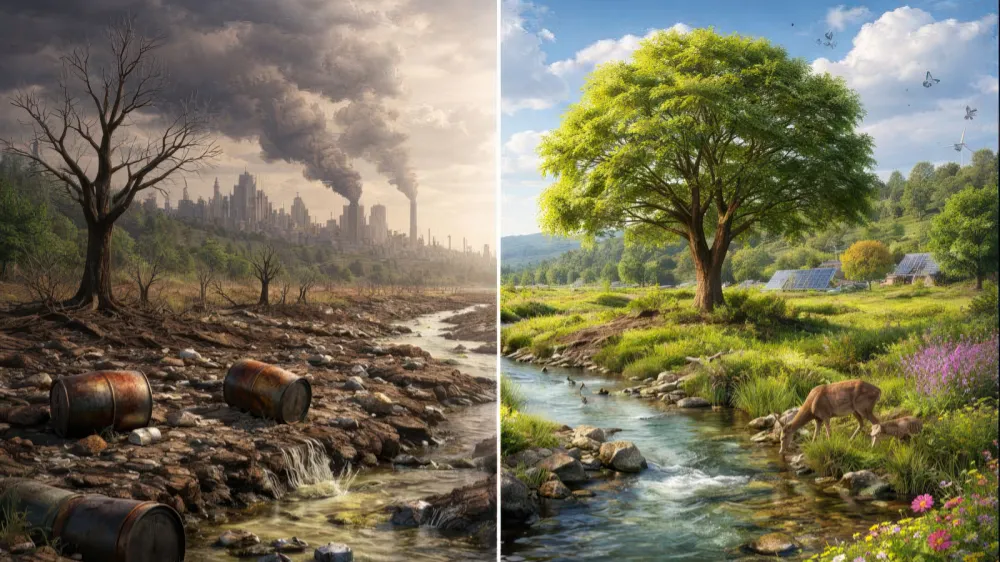
This module explores the “self-healing powers” of nature. Ecological regeneration refers to the process by which an ecosystem recovers from disturbances—such as storms, wildfires, or human impact—to restore its original structures, functions, and biodiversity.
Key Topics:
- Functional Recovery: How ecosystems reactivate vital services, such as water purification, soil fertility, and carbon sequestration, after a period of degradation.
- Ecological Succession: The step-by-step process of species recolonization that leads a damaged area back to a stable, climax community.
- Resilience and Stability: Understanding the capacity of a system to absorb shocks and maintain its long-term integrity.
- Assisted Regeneration (Restoration): Strategies to kick-start natural recovery processes in severely degraded landscapes through targeted human intervention.
Course Objective:
To develop a deep understanding of how biological diversity acts as the engine for landscape renewal and to evaluate the human role in fostering regenerative ecological processes.
To develop a deep understanding of how biological diversity acts as the engine for landscape renewal and to evaluate the human role in fostering regenerative ecological processes.